If you’ve been squinting through afternoon glare, noticing that your hardwood near the windows looks a shade lighter than it did a few years ago, or watching your cooling bills climb every summer without a clear explanation, your home’s glass may be the source of the problem. Home window tinting addresses these issues at the source — the glass itself — without replacing windows or blocking your views. Tint City Inc., based in Rancho Cucamonga, California, is the Inland Empire’s Solar Gard SELECT SHOP with four locations across San Bernardino, Riverside, and Los Angeles Counties. We’ve helped homeowners identify and solve these exact problems since 1991. Here are seven signs it’s time to schedule a residential window film consultation.
Not sure which residential film is right for your home?
Contact Tint City Inc at (800) 468-7244 for a no-obligation technical consultation.

Sign 1: Your Home Gets Too Much Heat and Sunlight
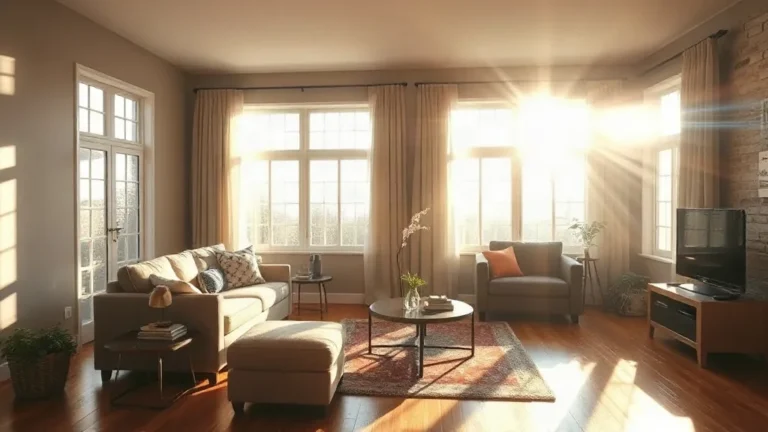
Excess solar heat through residential glass is the most common reason Inland Empire homeowners call us — south- and west-facing windows can turn a comfortable living room into an unusable space by mid-afternoon. Solar Gard solar control window films, which Tint City installs as a certified Solar Gard SELECT SHOP, reject up to 79% of solar energy, reducing the heat load before it enters the room. If you find yourself keeping the blinds closed through the afternoon just to stay comfortable, or if certain rooms feel like a greenhouse by 3 p.m. every summer, that is not a ventilation issue — it is a glass issue. Sun control film addresses it directly without blocking your view or darkening the interior. When we do in-home consultations in Loma Linda and Rancho Cucamonga, west-facing great rooms with large glass sliders are almost always the first rooms we evaluate. The heat problem there is rarely subtle.
Sign 2: Furniture, Flooring, and Artwork Are Fading
UV radiation is responsible for approximately 40% of furniture and flooring fading, and standard window glass does very little to filter it — making residential window tinting one of the most practical steps a homeowner can take to protect the interior. Hardwood near a south-facing slider, area rugs by a picture window, artwork on walls flanking a skylight — all of these are quietly degrading from UV exposure you cannot see or feel. Solar Gard residential films block 99% of UV light, addressing the primary driver of fading without meaningfully affecting how bright the room feels. The homeowners who call us after noticing this problem have usually already lost some flooring color or furniture vibrancy. Film does not reverse existing damage, but it stops the process from accelerating. After more than 30 years installing flat glass film across the Inland Empire, the fading issue is the one where customers most often tell us they wished they had acted sooner.

Sign 3: Afternoon Glare Makes Rooms Uncomfortable
Persistent afternoon glare through untreated glass strains eyes, washes out screens, and forces homeowners to choose between natural light and a usable living space — residential window film eliminates that tradeoff. In the Inland Empire, the sun angle during summer afternoons drives intense, low-angle light through west-facing glass into rooms where it bounces off flat surfaces and hits television screens, dining tables, and desk areas directly. The standard fix — heavy curtains or cellular shades — eliminates natural light entirely when closed. A glare-control film from Tint City’s Solar Gard lineup reduces the intensity of incoming light without making the room feel dark or uninviting. It is particularly effective for home offices where screen visibility matters, for living rooms with large wall-mounted televisions, and for kitchens with south-facing windows. Customers in the Day Creek and Etiwanda neighborhoods of Rancho Cucamonga deal with this pattern every afternoon from spring through fall, and it is consistently one of the most immediately noticeable improvements residential window film provides.
Sign 4: Your Cooling Bills Are Climbing Every Summer
When your air conditioning runs harder every summer without a clear mechanical reason, heat gain through your home’s glass is often the primary driver — and residential window film is a proven way to reduce it. Solar Gard window film can reduce heating and cooling costs by up to 30%, depending on your home’s orientation, glazing type, and the film selected. The Inland Empire’s climate pushes serious heat through east-, south-, and west-facing glass for the better part of six months each year. A residential window film that targets solar heat gain lowers the thermal load before it reaches the interior, which reduces how hard your HVAC system works during peak afternoon hours. Low-E films are also effective for dual-season comfort — they reject solar heat in summer and help retain interior warmth during cooler months. During each in-home consultation, we look at which exposures are driving the most heat gain and match the film spec to the actual sun load on your glass, not a one-size recommendation.
Sign 5: Privacy and Light Control Are a Challenge
Street-facing bedrooms, bathrooms adjacent to neighbors, entry foyers with sidelight panels, and living rooms visible from a busy sidewalk are common privacy problems that window film resolves without adding curtains, shutters, or frosted glass replacements. Privacy film and frosted decorative film from the Solar Gard flat-glass lineup can give ground-floor rooms and street-facing glass a one-way or obscured appearance during daylight hours without eliminating natural light from the room. For bathrooms, entryways, and ground-floor offices, frosted or etched-pattern film provides full opacity with a polished, architectural finish that reads as intentional rather than applied. This is one of the more popular requests we see from homeowners in newer subdivisions near Victoria Gardens and Terra Vista in Rancho Cucamonga, where homes are set close together and street-facing glass creates real visibility concerns. Film installs faster and is more reversible than permanent glass modification — an advantage for homeowners who may eventually sell or whose HOA may update its guidelines.

Sign 6: Your Home’s Glass Is a Safety Concern
Safety and security window film holds shattered glass in place against forced entry, storm impact, and accidental breakage — which is why homeowners with ground-floor sliding doors, large picture windows, or glass sidelights near entry points are increasingly specifying it. Standard residential glass breaks into sharp shards on impact, creating both an injury hazard and a path for a would-be intruder to reach through or continue breaching. Safety film, applied to the interior surface of the existing glass, holds the broken pane together even after the glass fractures. It is not a replacement for secure locks or reinforced frames, but it significantly increases the time and effort required to breach the glass opening. Tint City’s residential film lineup includes safety and security film options for homeowners in Rancho Cucamonga and across San Bernardino, Riverside, and Los Angeles Counties who want to address glass vulnerability without the cost of full window replacement.
Sign 7: You Want to Refresh Your Home’s Exterior Appearance
Decorative and neutral window films give exterior glass a consistent, updated look that many homeowners — particularly those in HOA communities — use to modernize their home’s appearance while staying within community aesthetic guidelines. If your home has a mix of tinted and clear glass from different renovation periods, or you want a subtle exterior tone that gives the building a cleaner look from the street, decorative film is a practical option. Film can meet appearance standards in communities throughout Alta Loma, Etiwanda, and Terra Vista in Rancho Cucamonga without the permitting complexity of full window replacement. During the in-home consultation, we match film color and VLT to your existing glass and HOA documentation so the finished result looks intentional, not aftermarket. If one or more of these seven signs describes your home, request a free in-home estimate from Tint City Inc. — over 1,000 combined Yelp reviews across four Inland Empire locations reflect three decades of no-pressure consultations and honest film recommendations.
Frequently Asked Questions About Home Window Tinting
What type of window film works best for reducing home heat?
Sun control and ceramic films are the most effective options for residential heat reduction. They reject infrared radiation before it enters the room, keeping interior temperatures more consistent without blocking natural light. For the Inland Empire’s climate — where summer afternoons push intense heat through south- and west-facing glass — a spectrally selective or ceramic film from the Solar Gard lineup offers strong heat rejection with minimal visual impact on the room’s brightness.
Will residential window tinting protect my furniture from fading?
Residential window film significantly slows furniture, flooring, and artwork fading by blocking UV radiation, which research identifies as the primary fading driver at approximately 40% of total fading. Quality solar control films block up to 99% of UV rays. However, visible light and solar heat also contribute to fading, so selecting a film with both UV blocking and heat rejection provides the most comprehensive interior protection for floors, rugs, and upholstery.
Does Tint City offer free estimates for home window tinting?
Yes. Tint City Inc. provides free estimates for residential window tinting at all four locations — Rancho Cucamonga, Loma Linda, Corona, and San Dimas — with in-home appointments available so film shade and heat-rejection choices are made against your actual glass in real light conditions. Call (800) 468-7244 Monday through Saturday, 8 a.m. to 5 p.m., or visit our free estimate page to schedule.
Ready to protect your home with professional residential window film?
Contact Tint City Inc at (800) 468-7244 for a no-obligation technical consultation.