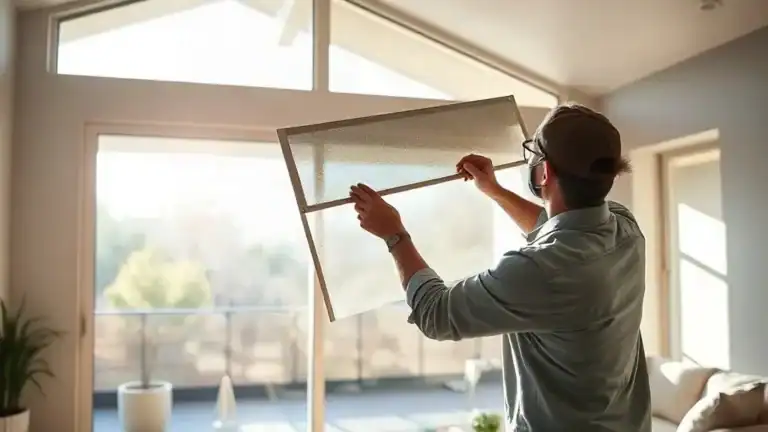
Tint City Inc has been providing professional window tinting installation across the Inland Empire since 1991, with four locations in Rancho Cucamonga, Loma Linda, Corona, and San Dimas, California. If you have never had a vehicle professionally tinted, the process can feel like a black box — you drop off the car and get it back looking different. This step-by-step guide explains what happens at each stage of an automotive window tinting service, from the first conversation about film options through the curing period after you drive away, so you know exactly what to expect before you book.
Have questions about the right window film for your vehicle?
Contact Tint City Inc at (800) 468-7244 for a no-obligation consultation at any of our four Inland Empire locations.

Window Tinting Installation: What to Expect
A professional window tinting installation moves through five stages — consultation, glass preparation, film cutting, interior application, and final inspection — with most sedan installs completed in a single visit lasting 1 to 2 hours. This is not a shortcut service; each stage builds on the one before it. The consultation determines what can legally and correctly go on your glass. Preparation ensures the film has a clean, dust-free surface to bond to. Film cutting produces edges that sit flush against window seals. Application locks the film to the interior glass using a slip solution and squeegee technique. The final inspection confirms every window meets quality standards before the car leaves the bay. Customers at Tint City’s four Inland Empire locations drive away with a finished install the same day — most within a few hours of dropping off — rather than leaving the vehicle overnight, which is what distinguishes a well-staffed, experienced shop from an operation running too thin to do it right.
Pre-Installation Consultation and Film Selection
Before any film is ordered or cut, Tint City installers review your vehicle’s factory glass VLT, your driving habits, and your heat rejection goals to match the right Solar Gard film to your situation. When a commuter from Rancho Cucamonga comes in asking about heat rejection after a summer on the Haven Avenue corridor, the first thing we discuss is what is legal on the front side windows. Under California Vehicle Code Section 26708, front side windows must maintain a combined VLT of at least 70% — the film and factory glass measured together. Factory glass VLT varies by manufacturer and model year, so we measure the glass before recommending any film. After confirming the legal parameters, the conversation turns to film construction: ceramic, carbon, or standard dyed films, each with distinct heat rejection and UV performance. Solar Gard’s VortexIR ceramic line blocks more than 99% of harmful UV rays, rejects up to 88% of infrared rays, and delivers a Total Solar Energy Rejection (TSER) of up to 63% — specs that matter for daily drivers crossing San Bernardino and Riverside Counties under sustained afternoon heat loads. For buyers who want maximum heat rejection, Solar Gard’s XenithIR line takes infrared rejection up to 93%. For a detailed look at how ceramic film technology compares to other constructions, see our guide on ceramic window tint benefits for Southern California drivers.

Vehicle Preparation: Why Clean Glass Is Non-Negotiable
Thorough glass cleaning is the most time-sensitive step in any window tinting installation — a single dust particle or oil film trapped under the tint creates a visible defect that cannot be corrected without removing and re-applying the film. At Tint City, every window is cleaned on both sides before any film is laid. The installer removes rubber gasket buildup, adhesive residue from stickers, and contamination from the door frame area where the film will terminate. For vehicles with existing tint that is being replaced, the old film is stripped and the glass is treated to remove adhesive residue before the new film is applied. This preparation step is where many inexperienced shops cut corners — particularly on the defroster-line area of rear windows, where adhesive residue from old film is easy to miss and shows up as fine contamination dots under a fresh install that cannot be hidden or pressed flat.
Film Cutting and Interior Application
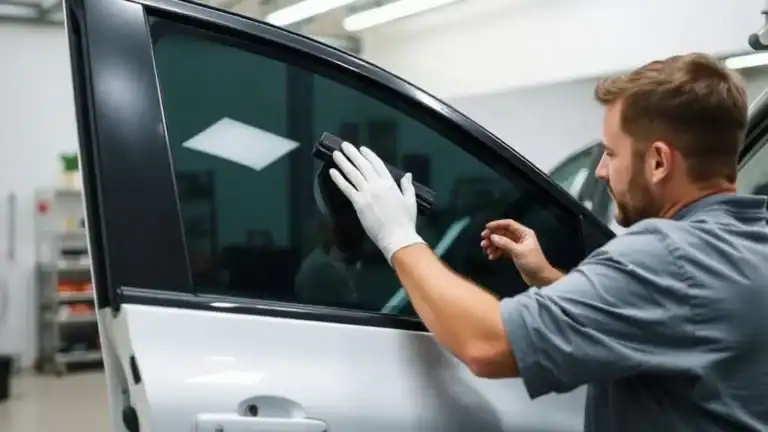
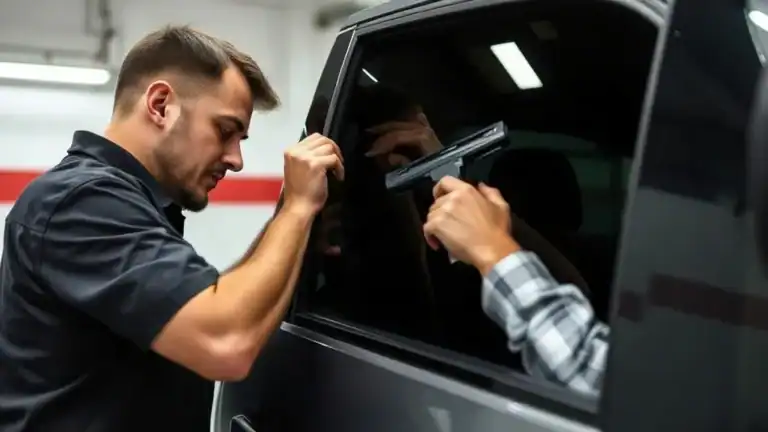
Window film is cut to each window’s exact dimensions using computer-plotted patterns, then applied to the inside glass surface using a slip solution that allows the installer to position the film before squeegeeing out air and moisture. At Tint City, film is precut using computer-aided plotting rather than hand-cut directly on the glass — this protects the rubber seals and door trim that hand-cutting can nick or score over time. For curved rear windows, the film is shaped on the exterior glass surface using a heat gun before being flipped and applied to the interior. This heat-forming step is what gives professionally installed tint its flat, bubble-free appearance on curved glass. Once positioned inside, a squeegee forces the slip solution and air outward from the center of each panel to the edges, bonding the film adhesive directly to the glass surface.
Curing Time and What to Expect Afterward
Window tint curing is a separate phase from installation — the adhesive fully bonds over 3 to 5 days as trapped moisture evaporates through the film, so windows must stay up during that period to prevent edge lifting. In Southern California’s warm, dry climate, curing moves faster than in humid or cold environments, but the window-up period still applies regardless of season. During curing, you may notice small bubbles or a hazy appearance on the glass — both are normal. The moisture creating them evaporates through the film and the effect clears without any action on your part. Do not press on bubbles or use a squeegee to try to flatten them. Rolling down a window before the adhesive has fully set can shift or lift the film at the lower edge, creating a crease that requires a re-install to correct. Plan your first week around keeping the power windows up as much as possible.

Quality Inspection and Final Details
Before a vehicle leaves Tint City, every window is inspected under light at multiple angles to identify any bubbles, edge lifts, contamination, or misalignment while the car is still in the bay and corrections can be made immediately. After 30-plus years tinting cars across the Inland Empire, the detail that surprises most first-time buyers is that a quality inspection is not just a visual scan — it involves physically pressing edges, checking film termination at seals, and reviewing the defroster-line area on rear windows where contamination shows up as fine dots under the film. When something falls below standard, the installer corrects it before you pick up your keys, not after you have driven away and noticed it in your driveway. At checkout, the installer walks you through the curing rules, aftercare instructions, and warranty coverage that applies to the film you chose. See our automotive window tinting service page for details on film options and warranty tiers at all four locations.
Aftercare Tips for Your New Window Film
Proper aftercare in the first week determines how cleanly your window tinting installation cures — keeping windows closed, skipping ammonia-based cleaners, and letting small bubbles resolve on their own are the three rules that protect a fresh install. Following these guidelines will protect your investment:
- Keep windows up for at least 3 to 5 days after installation to let the adhesive fully bond to the glass surface.
- Wait at least one week before cleaning the interior side of any tinted window.
- Use only ammonia-free window cleaners once the film has cured — ammonia degrades the film’s color and adhesive bond over time.
- Clean with microfiber cloths only, not paper towels or abrasive pads, which can scratch the film surface.
- Do not press on bubbles or haze during the curing period; they clear naturally as moisture evaporates through the film.
- Ask about warranty coverage at checkout — select Solar Gard films installed at Tint City carry a lifetime warranty on select products.
Why Tint City’s Installation Experience Produces Different Results
Tint City Inc has been installing window film across the Inland Empire since 1991 and holds Solar Gard SELECT SHOP status — a designation reserved for top-tier certified installers — with over 1,000 combined Yelp reviews built over three decades of local work. Solar Gard SELECT SHOP is not a self-designated label; it is an exclusive certification awarded to dealers who meet brand standards for installer training, product knowledge, and film quality. The certification gives Tint City access to Solar Gard’s full automotive, residential, and commercial film lineup, including ceramic lines that block more than 99% of harmful UV rays and reject infrared heat without signal interference. For customers who have experienced bubbling, purpling, or adhesive failure from a prior install that required a strip-and-redo, the difference in outcome comes down to film quality and installer experience — both of which are addressed by carrying a certified product line and backing it with three decades of trained hands across four Inland Empire locations: Rancho Cucamonga, Corona, San Dimas, and Loma Linda, collectively covering San Bernardino, Riverside, Los Angeles, and Orange Counties.
Frequently Asked Questions About Window Tinting Installation
How long does window tinting installation take at Tint City?
Most single-vehicle window tinting installations at Tint City take 1 to 2 hours for standard sedans. SUVs, trucks, and vehicles with panoramic or curved rear glass typically require more time depending on glass count and curvature. If your vehicle has existing tint that needs removal first, that added time is discussed upfront during your consultation. Tint City does not rush installations to meet fixed time slots — the schedule is set around the vehicle and the work, not the other way around.
When can I roll my windows down after getting them tinted?
Keep your windows up for at least 3 to 5 days after window tinting installation to let the film’s adhesive fully bond to the glass. Rolling windows down too soon can shift or lift the film at the lower edge before the bond fully sets. Temporary bubbles or haze in the first few days are normal — the moisture creating them evaporates through the film and clears on its own. Do not press on them or attempt to squeegee them out during the curing period.
Will window film interfere with my GPS or phone signal?
Solar Gard ceramic window films are signal-friendly by design and will not interfere with mobile phones, GPS navigation, or satellite radio. This is a key advantage ceramic technology has over older metallic or metalized films, which can degrade wireless signals. Tint City carries Solar Gard’s VortexIR and XenithIR ceramic lines, both engineered to deliver heat and UV rejection without blocking electronic signals — an important consideration for daily drivers and EVs that rely on GPS-based navigation and cellular integration.
How does Tint City ensure my tint complies with California law?
California Vehicle Code Section 26708 requires front side windows to maintain a combined VLT of at least 70% — the film and factory glass measured together. At Tint City, installers measure your vehicle’s factory glass VLT before recommending any front-window film and will not install a film that would bring the combined reading below the legal minimum. This protects you from citations on the road. Customers can also read our complete guide to California window tint laws for a full breakdown by window position and vehicle type.
Ready to book your window tinting installation at Tint City?
Call Tint City Inc at (800) 468-7244 — all four Inland Empire locations are open Monday through Saturday, 8:00 AM to 5:00 PM. Free estimates available.